What career coaching frameworks should career centers use to improve advising outcomes?
Career centers should adopt structured coaching models like strengths-based coaching, GROW, design thinking, motivational interviewing, and AI-powered coaching. These frameworks help standardize advising, improve student clarity and engagement, and enable scalable, outcome-driven career support.
Career centers are handling increasing demand with limited bandwidth, yet most advising still relies on unstructured conversations that don’t consistently lead to clear student outcomes.
Unstructured advising quickly becomes an institutional challenge.
When guidance feels inconsistent or reactive, it impacts student confidence, engagement, and ultimately placement outcomes - metrics leadership uses to assess career services effectiveness.
In this guide, you’ll find five proven career coaching models - strengths-based coaching, GROW, design thinking, motivational interviewing, and AI-powered coaching, that help career centers structure advising, scale support, and deliver more consistent, outcome-driven results.
1. Strengths-Based Coaching (Gallup CliftonStrengths Framework)
Many students focus on what they lack - experience, skills, connections rather than what they naturally do well.
Strengths-based coaching flips this mindset, helping students identify and leverage their top talents instead of trying to fix weaknesses.
How You Can Incorporate It:
- Offer CliftonStrengths assessments as part of career exploration workshops.
- Help students map their strengths to potential career paths using real-world job descriptions.
- Encourage students to tailor their resumes and LinkedIn profiles based on their top strengths.
Pro Tip: Run group coaching sessions where students share how they’ve used their strengths in academic or formal settings. Peer insights often reinforce self-awareness and confidence.
Also Read: How should career centers design intake questionnaires to improve advising outcomes?
2. The GROW Model (Goal-Setting Framework for Career Planning)
Many students struggle with career decisions because they don’t have a clear action plan.
The GROW model, widely used in executive coaching, provides a simple but effective framework to guide students from uncertainty to action.
How You Can Incorporate It:
- Train career advisors to use the GROW framework in one-on-one coaching sessions.
- Implement career roadmap worksheets where students write down their goals, current situation, possible actions, and commitments.
- Use this method in career bootcamps where students set short-term and long-term career goals.
Pro Tip: Follow up with students after goal-setting sessions to track their progress. Accountability dramatically improves goal completion rates.
Also Read: Advisor Development Frameworks for Advanced Student Success Teams
3. Design Thinking for Career Exploration
The traditional career model - pick a major, get a job - doesn’t fit today’s dynamic job market.
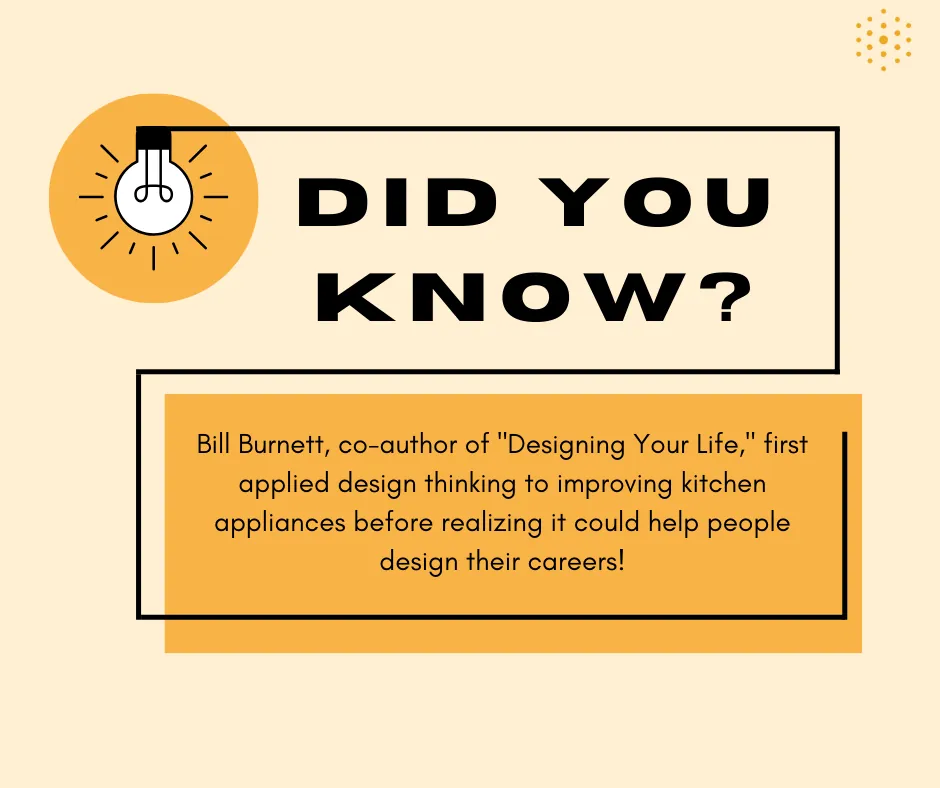
Design thinking, pioneered at Stanford’s d.school, takes a more flexible, iterative approach to career planning.
How You Can Incorporate It:
- Guide students through career ideation workshops, where they brainstorm multiple career paths based on their interests and skills.
- Encourage students to prototype careers by doing short-term projects, internships, or informational interviews before committing to a long-term career path.
- Integrate design thinking exercises into career courses, allowing students to test and refine career choices.
Pro Tip: Encourage students to document their career experiments - even failed ones - so they can track what works and refine their path based on real experiences.
Also Read: How can universities build professional development systems that improve career services quality?
4. Motivational Interviewing (MI) for Career Decision-Making
Some students feel stuck - unsure whether to follow their major’s typical career path or explore something new.
Motivational Interviewing (MI) helps them break through indecision by focusing on their own motivations.
How You Can Incorporate It:
- Train career counselors in reflective listening techniques to help students uncover their own career motivations.
- Use MI principles in career advising sessions, asking open-ended questions that prompt students to reflect on their career values.
- Develop a career confidence journal, where students write down their thoughts on career options and decision-making roadblocks.
Pro Tip: When students say, “I’m not sure what I want to do,” avoid giving direct advice. Instead, ask, “What excites you about the options you’ve considered?” This approach encourages deeper reflection and commitment.
Also Read: Career Coaching Session Agenda Template for Scaling Student Support
5. AI-Powered Coaching for Scalable Career Services
Career centers often struggle with high student-to-counselor ratios, making personalized coaching difficult. AI-powered tools can scale career guidance without sacrificing quality.
How You Can Incorporate It:
- Use AI-powered resume review tools to provide instant feedback on student resumes.
- Offer AI-driven mock interviews so students can practice interview skills anytime.
- Implement chatbots that answer common career questions, freeing up career counselors for more complex student needs.
Also Read: Career Counseling Techniques to Ease Student Anxiety in 2026
Final Thoughts
Career coaching becomes far more effective when it’s built on structured, repeatable models rather than one-off conversations.
The frameworks covered here give career centers a way to move from reactive advising to systems that consistently improve student clarity, confidence, and outcomes.
For teams looking to operationalize these models at scale, the right infrastructure matters.
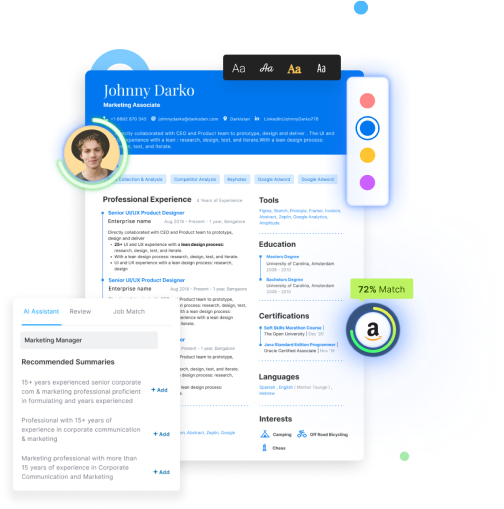
Hiration brings together career assessments, AI-powered resume optimization, interview simulation, and more into a single system - along with a dedicated counselor module to manage cohorts, workflows, and analytics within a secure, FERPA and SOC 2-compliant environment.
The goal is to make it more consistent, scalable, and outcome-driven across every student interaction.
Career Coaching Frameworks — FAQs
Why do career centers need structured coaching frameworks?
Structured frameworks reduce inconsistency in advising, improve student outcomes, and help scale support across large student populations.
What is strengths-based coaching?
Strengths-based coaching helps students identify and leverage their natural talents, shifting focus from weaknesses to what they do best.
How does the GROW model work in career advising?
The GROW model guides students through goal setting, assessing their current reality, exploring options, and committing to actions.
What is design thinking in career exploration?
Design thinking encourages students to explore multiple career paths, test ideas through real-world experiences, and refine decisions iteratively.
How does motivational interviewing help students?
Motivational interviewing uses reflective questioning to help students clarify their own motivations and make more confident career decisions.
What role does AI play in career coaching?
AI enables scalable support through tools like resume feedback, mock interviews, and automated guidance, allowing advisors to focus on complex coaching.
How can career centers implement these frameworks at scale?
By combining structured coaching models with technology platforms that standardize workflows, track progress, and deliver consistent feedback.