How can career centers build a more scalable career services model?
Career centers can build a more scalable model by combining AI-supported guidance, stronger employer partnerships, and structured career readiness modules that track student progress over time. The goal is to move beyond one-time events and appointments while keeping advisor oversight where students need deeper support.
Career services are being asked to do more than help students write resumes or prepare for interviews.
Students now navigate skills-based hiring, AI-assisted job searches, changing employer expectations, and an increasingly complex transition from college to work.
At the same time, career teams need to reach more students without turning every service into another appointment or one-time event.
For many career centers, the challenge is no longer adding another program. It is changing how career support is delivered across the student journey.
A modern career services model combines scalable guidance with advisor expertise, sustained employer engagement, and structured career readiness development that can be tracked over time.
This guide examines three shifts career centers can make to move from traditional, event-driven support toward a more scalable and connected career services model.
| Area | Traditional Career Services Model | Modern Career Services Model |
|---|---|---|
| Student support | Primarily appointment-dependent | On-demand support combined with advisor guidance |
| Career preparation | Concentrated near graduation | Embedded throughout the student journey |
| AI | Ad hoc tools and individual usage | Governed AI with counselor oversight |
| Employer engagement | Career fairs and individual recruiting events | Sustained partnerships and experiential opportunities |
| Measurement | Appointments, workshops, and attendance | Engagement, readiness progression, and outcomes |
1. Leverage AI to Enhance Career Services
The Challenge
Career centers are often understaffed and struggle to provide individualized career coaching at scale. Traditional career counseling models don’t always reach students effectively, especially those who don’t actively seek help.
The Solution
Artificial intelligence (AI) can bridge the gap by enhancing and complementing career guidance, allowing counselors to focus on deeper, high-impact student interactions while automating repetitive tasks.
AI-powered tools can provide immediate support with resume feedback, mock interview practice, LinkedIn optimization, cover letters, and other repeatable career preparation tasks.
But simply giving students access to AI is not the transformation. Career centers also need to determine where AI should provide first-line support, where advisor involvement is more appropriate, and how counselors maintain visibility into student progress.
This allows AI to extend career services rather than operate as a standalone tool outside the advising process.
Real-World Example
The University of Connecticut’s Center for Career Readiness and Life Skills offers a useful example of a more intentional approach to AI adoption. The center created an AI Committee focused on developing a sustainable strategy for integrating AI into career services while supporting student learning, staff confidence, and employer and alumni engagement.
The approach reflects a broader shift from simply making AI available to students toward establishing how it should fit within career development and advisor-led support.
How to Implement It
- Deploy AI-Powered Career Coaching: Implement AI tools that provide personalized resume feedback, career path recommendations, and interview prep, ensuring students receive 24/7 career support.
- Utilize AI-Driven Employer Matching: Integrate AI-powered job-matching systems that analyze employer needs and student skills, facilitating stronger hiring connections and improving placement rates.
- Enhance Career Data Analytics: Use AI to track student engagement, measure career readiness over time, and provide counselors with actionable insights to tailor support strategies. Adopt a virtual assistant that can provide real-time resume reviews, career recommendations, and interview prep, reducing counselor workload while enhancing student engagement.
- Set AI guardrails and escalation points: Define where students can rely on AI-enabled guidance, when counselor review is appropriate, and how students should verify and take ownership of AI-assisted career materials.
Also Read: Where does AI add real value in career services and where does it fall short?
2. Rethink Employer Partnerships with Virtual and Project-Based Hiring
The Challenge
Many career centers rely on one-off employer events or job fairs that don’t provide long-term engagement. Often, students don’t interact with employers meaningfully, and job fairs result in low application follow-through.
The Solution
Instead of traditional networking, career centers should focus on sustained engagement models with employers, such as:
- Virtual employer panels & mentorship programs to foster ongoing relationships.
- Project-based hiring initiatives, where students work on employer-sponsored tasks before being considered for full-time jobs.
- Employer-integrated coursework, where companies offer real-world case studies and challenges that align with academic subjects.
The larger shift is from event-based employer engagement to relationships that create multiple student touchpoints. Career centers can connect employers not only with recruiting events, but also with faculty, coursework, experiential learning, mentoring, and student organizations.
Real-World Example
The University of Arizona has implemented experiential learning programs that allow students to gain real-world skills through industry partnerships, helping bridge the gap between education and employment. Similarly, companies like IBM and Microsoft have launched apprenticeship programs, such as IBM’s New Collar Initiative and Microsoft Leap, which provide industry-specific training and job placement opportunities.
Another example comes from Johns Hopkins University and Walmart PolicyLab, which developed an experiential-learning partnership combining a policy challenge, career trek, and skills course to create additional pathways for students to engage with industry.
How to Implement It
- Long-term employer engagement: Move beyond career fairs to multi-semester employer collaborations.
- Create experiential pathways: Give students opportunities to work on employer-sponsored projects, challenges, mentorship programs, or other practical experiences before formal recruitment begins.
- Alumni-employer networks: Engage alumni working in top firms to act as bridges for student hiring opportunities.
Also Read: Career Center Strategic Plan: 4 Priorities Universities Must Focus On

3. Implement Career Readiness Modules with Data-Driven Tracking
The Challenge
Many students lack key soft skills and job search strategies, leaving them unprepared for the workforce even with a strong academic background.
The Solution
Career readiness should be integrated into the student journey from year one, rather than as a last-minute effort before graduation. This means creating structured, data-driven career readiness modules that track progress and personalize learning.
Real-World Example
Texas State Technical College emphasizes workforce readiness by integrating industry-aligned technical training into its curriculum, ensuring students gain practical skills that align with employer needs.
This shift is also becoming more common across higher education. In NACE's 2025 Career Services Benchmarks Quick Poll, 83.3% of responding institutions reported implementing career readiness competencies.
Integration extended beyond career-center programming into first-year experiences, internships, on-campus jobs, academic classes, and capstone experiences.
How to Implement It
- Year-by-year career planning: Introduce progressive career-building modules starting in freshman year.
- Data-driven progress tracking: Use analytics to measure student readiness over time and offer personalized guidance.
- Digital credentialing: Allow students to earn verified career readiness badges for completing key milestones, making them more attractive to employers.
Also Read: How can career services teams meaningfully evaluate the 8 NACE Career Readiness Competencies?
How Should Career Centers Measure Transformation?
Adding new programs, partnerships, or technology does not necessarily show whether the career services model itself is improving.
Career centers should look at whether changes are expanding access to support, helping students progress in their career readiness, and creating stronger connections between students and employers.
| Instead of Measuring Only | Also Track |
|---|---|
| Appointment volume | Students reached and repeat engagement |
| Resume reviews | Improvement in resume quality |
| Workshop attendance | Completion of career readiness milestones |
| Employers attending events | Repeat engagement and opportunities created |
| Platform logins | Activities completed and readiness progression |
These measures do not need to replace traditional career center metrics. They add visibility into what happens after a student attends an event, accesses a resource, or receives support.
Building a More Scalable Career Services Model
Preparing students for today’s job market requires more than isolated workshops or last-minute job search support.
Career centers need scalable systems that combine personalized guidance, meaningful employer engagement, and structured career readiness development throughout the student journey.
By using tools that automate routine feedback, strengthen employer connections, and track student progress over time, career centers can deliver deeper support without overextending already stretched teams.
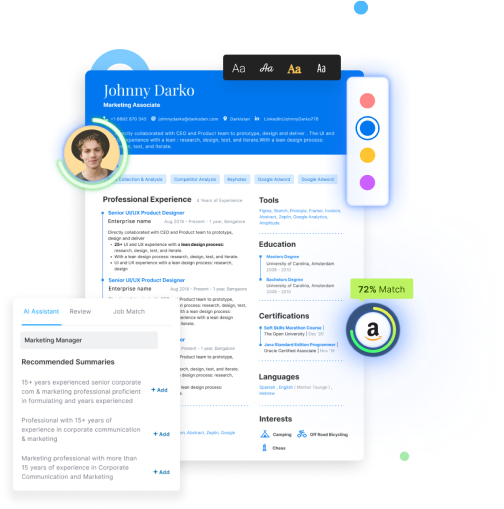
Hiration is designed to support this approach. Its full-stack career readiness suite spans the entire student journey, from career assessments to AI-powered modules for resume optimization and interview simulation.
Our platform also includes a dedicated counselor module to manage cohorts, workflows, and analytics, all within a secure environment aligned with FERPA and SOC 2 standards.
For career centers looking to scale personalized support while maintaining counselor oversight and visibility into student progress, book a walkthrough to see how Hiration can support your career services model.
Modern Career Services Model — FAQs
What is a modern career services model?
A modern career services model combines scalable guidance, advisor expertise, employer engagement, and structured career readiness support across the student journey.
How can AI improve career services?
AI can support repeatable tasks such as resume feedback, interview practice, LinkedIn optimization, cover letters, and career guidance while advisors focus on higher-impact conversations.
What guardrails should career centers set for AI?
Career centers should define where AI can provide first-line support, when counselor review is needed, and how students should verify and own AI-assisted materials.
How should employer partnerships change?
Employer engagement should move beyond one-off fairs toward ongoing relationships through panels, mentorship, projects, coursework, career treks, and experiential learning.
Why should career readiness start earlier?
Career readiness should begin early so students can build skills, prepare applications, explore options, and improve confidence before recruiting deadlines arrive.
How should career centers measure transformation?
Career centers should measure whether support is reaching more students, improving readiness, increasing engagement, and creating stronger employer connections.
How can Hiration support a scalable career services model?
Hiration supports career assessments, resume optimization, interview simulation, LinkedIn optimization, cohort management, workflows, analytics, and advisor visibility within a FERPA and SOC 2-aligned platform.